

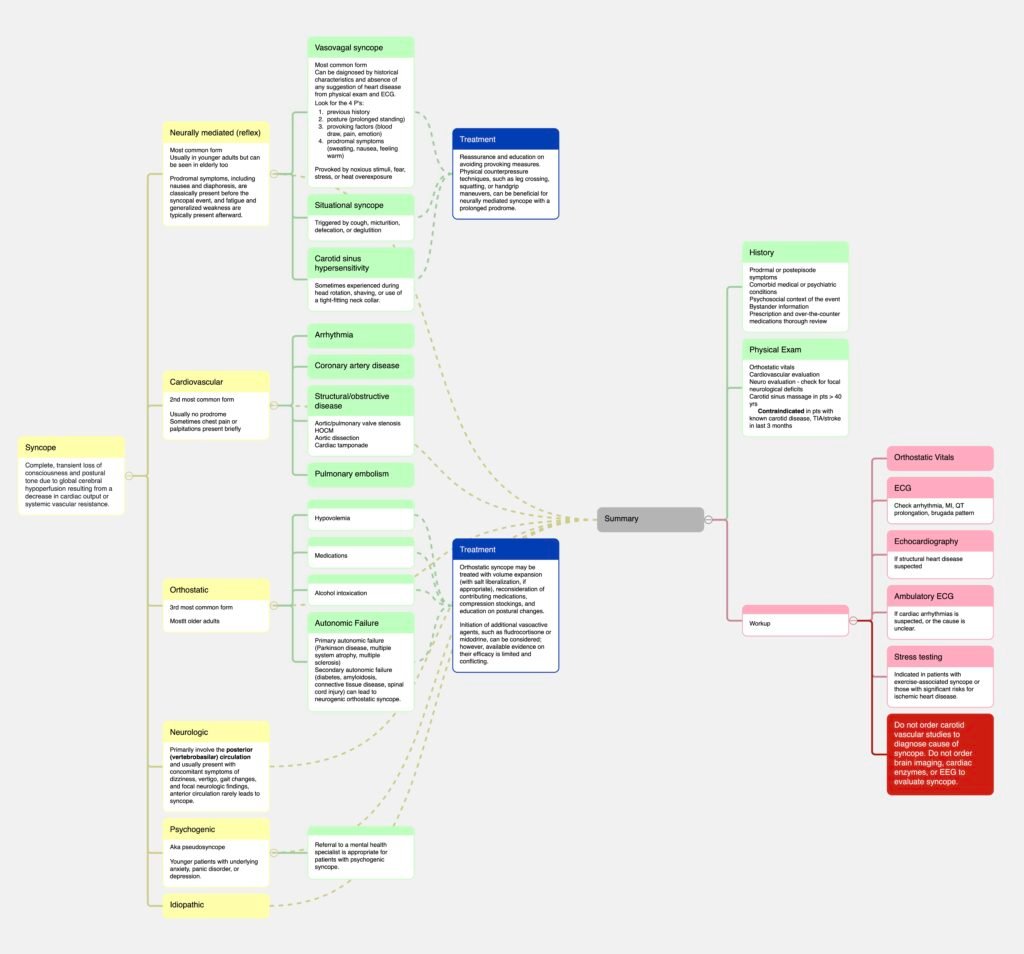
Syncope, commonly known as fainting, is a temporary loss of consciousness and postural tone due to a sudden drop in blood flow to the brain. It is a common medical condition that can be caused by various factors, including cardiovascular issues, neurological conditions, and psychological triggers. This article delves into the types, causes, diagnosis, and treatment of syncope, with a focus on syncope cardiology.
Understanding Syncope
Syncope is defined as a complete, transient loss of consciousness and postural tone due to global cerebral hypoperfusion. This occurs when there is a decrease in cardiac output or systemic vascular resistance. It is a symptom rather than a disease itself and can be a sign of an underlying medical condition.
Types of Syncope
Syncope can be classified into several categories based on its cause:
1. Neurally Mediated (Reflex) Syncope
- Most common form of syncope.
- Often seen in younger adults but can also occur in the elderly.
- Prodromal symptoms such as nausea, sweating, and fatigue are common.
- Subtypes include:
- Vasovagal Syncope: Triggered by emotional stress, pain, or prolonged standing.
- Situational Syncope: Caused by specific actions like coughing, urination, or swallowing.
2. Cardiovascular Syncope
- Second most common form.
- Caused by arrhythmias, structural heart disease, or obstructive conditions.
- Often lacks prodromal symptoms but may include chest pain or palpitations.
3. Orthostatic Syncope
- Third most common form.
- Occurs due to a drop in blood pressure upon standing.
- Common in older adults and those with autonomic failure (e.g., Parkinson’s disease, diabetes).
4. Psychogenic Syncope
- Also known as pseudosyncope.
- Associated with underlying anxiety, panic disorder, or depression.
- Requires referral to a mental health specialist.
5. Idiopathic Syncope
- Cases where the cause remains unknown after thorough evaluation.
Causes of Syncope
The causes of syncope vary depending on the type:
| Type of Syncope | Common Causes |
|---|---|
| Neurally Mediated | Vasovagal triggers, situational factors (coughing, urination) |
| Cardiovascular | Arrhythmias, coronary artery disease, aortic stenosis, pulmonary embolism |
| Orthostatic | Autonomic failure, hypovolemia, medication side effects |
| Psychogenic | Anxiety, panic disorder, depression |
| Idiopathic | Unknown causes |
Symptoms of Syncope
Syncope is often preceded by warning signs and followed by specific symptoms:
Prodromal Symptoms
- Nausea
- Sweating (diaphoresis)
- Feeling warm or lightheaded
Post-Syncope Symptoms
- Fatigue
- Generalized weakness
- Confusion (brief)
Diagnosis of Syncope
A thorough evaluation is essential to determine the cause of syncope. The diagnostic process includes:
1. History and Physical Exam
- Key Questions:
- Were there prodromal symptoms?
- What was the psychosocial context of the event?
- Are there any comorbid medical or psychiatric conditions?
- Physical Exam:
- Orthostatic vitals
- Cardiovascular evaluation
- Neurological assessment
2. Diagnostic Tests
- ECG: To check for arrhythmias, myocardial infarction, or QT prolongation.
- Echocardiography: If structural heart disease is suspected.
- Ambulatory ECG: For suspected arrhythmias.
- Stress Testing: For exercise-associated syncope or ischemic heart disease.
Treatment of Syncope
Treatment depends on the underlying cause:
Neurally Mediated Syncope
- Reassurance and Education: Avoid triggering factors.
- Physical Counterpressure Techniques: Leg crossing, squatting, or handgrip maneuvers.
Cardiovascular Syncope
- Address underlying heart conditions (e.g., arrhythmias, valve disorders).
- Medications or surgical interventions may be required.
Orthostatic Syncope
- Volume Expansion: Increase salt intake and fluid consumption.
- Medications: Fludrocortisone or midodrine (in select cases).
- Lifestyle Changes: Use compression stockings and avoid sudden postural changes.
Psychogenic Syncope
- Referral to a mental health specialist for therapy or medication.
When to Seek Medical Attention?
Syncope can be a sign of a serious underlying condition. Seek immediate medical attention if:
- Syncope occurs during exercise.
- There is a history of heart disease.
- Fainting is accompanied by chest pain, palpitations, or shortness of breath.
Prevention of Syncope
- Stay hydrated.
- Avoid prolonged standing.
- Recognize and avoid personal triggers.
- Use physical counterpressure techniques if prodromal symptoms occur.
Summary
Syncope is a common condition with a wide range of causes, from benign to life-threatening. Proper diagnosis and treatment are essential to address the underlying cause and prevent recurrence. If you or someone you know experiences syncope, consult a healthcare professional for a thorough evaluation.
Key Takeaways
- Syncope is a transient loss of consciousness due to reduced blood flow to the brain.
- It can be caused by neurally mediated triggers, cardiovascular issues, orthostatic hypotension, or psychological factors.
- Diagnosis involves a detailed history, physical exam, and targeted tests.
- Treatment varies based on the underlying cause and may include lifestyle changes, medications, or specialist referrals.
By understanding syncope and its implications, individuals can take proactive steps to manage their health and reduce the risk of future episodes.